How to Choose the Right Electrophoretic Coating Equipment for Your Factory
A comprehensive professional guide on selecting high-performance e-coating systems to optimize industrial production and finish quality.
The modern manufacturing landscape demands precision, durability, and environmental responsibility. For factories specializing in automotive parts, home appliances, and industrial components, selecting the appropriate electrophoretic coating equipment is a critical decision that impacts long-term profitability. Often referred to as E-coating, electrophoresis provides a uniform, corrosion-resistant finish that is difficult to achieve with traditional spraying methods. As industries move toward greater automation, understanding the technical nuances of these systems becomes essential for facility managers and engineers. At TIMS, we recognize that every production line has unique requirements, from the size of the workpieces to the specific standards for salt spray resistance.
Choosing the right system involves more than just purchasing a tank and a conveyor. It requires a deep analysis of the pre-treatment stages, the electrochemical dynamics of the paint bath, and the efficiency of the curing process. High-quality electrophoretic coating equipment integrates advanced sensors and control systems to ensure that every square millimeter of a product is protected, including internal cavities and complex geometries. This guide will walk you through the essential factors to consider when upgrading or installing a new line, ensuring your investment delivers maximum ROI and meets international quality standards like ISO 12944.
Assessing Production Capacity and Automation Levels
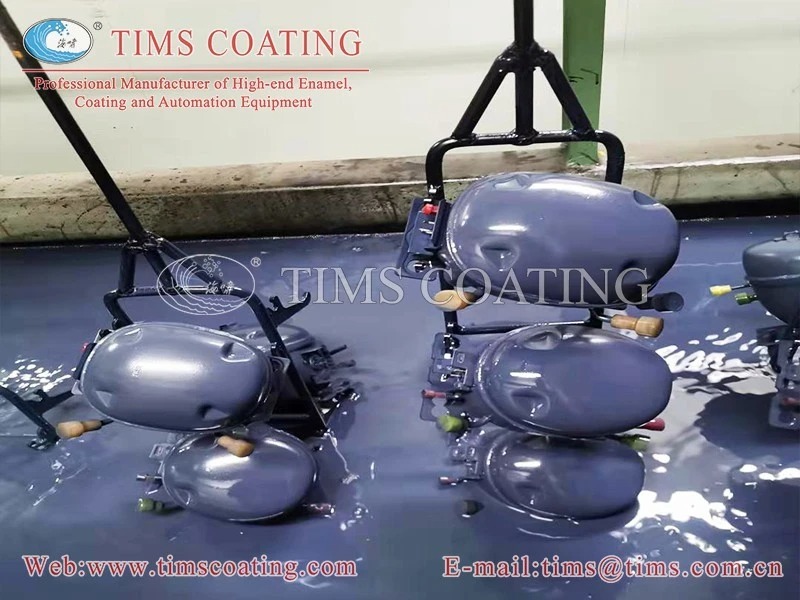
The first step in selecting electrophoretic coating equipment is defining your throughput requirements. Are you managing a high-volume continuous production line or a batch-based system? A fully automated line is often necessary for industries like automotive manufacturing, where consistency and speed are paramount. These systems utilize intelligent conveyors with variable frequency drives and robotic loading/unloading mechanisms to minimize human error and labor costs. For instance, a high-end system can handle 600–800㎡/hour, ensuring that large orders are fulfilled without bottlenecks. The integration of a Central PLC with a user-friendly HMI allows operators to monitor bath chemistry and temperature in real-time.
Automation also extends to the maintenance of the paint bath itself. Modern electrophoretic coating equipment features automatic dosing systems that adjust the concentration of solids and solvents based on real-time feedback. This level of control ensures that the coating thickness remains within tight tolerances (often within ±2µm), reducing waste and preventing defects. When evaluating equipment, consider the modularity of the design. A system that can be easily expanded or reconfigured as your factory grows provides significant long-term value. TIMS focuses on building highly automated systems that handle everything from pre-treatment to final curing with minimal manual intervention.
Evaluating Material Utilization and Environmental Efficiency
One of the primary advantages of electrophoretic coating equipment is its exceptionally high material utilization rate, which can exceed 95%. Unlike traditional spray systems where overspray can lead to significant paint loss, e-coating systems utilize an ultra-filtration (UF) system to recycle unused paint particles. When choosing equipment, it is vital to inspect the quality of the recycling system. An efficient closed-loop filtration system not only reduces material costs but also minimizes the production and discharge of waste liquid, making it an eco-friendly choice for modern factories. This aligns with global environmental standards and reduces the overall VOC footprint of the facility.
Furthermore, energy efficiency should be a top priority. Look for electrophoretic coating equipment that incorporates IoT-enabled energy recovery systems. These technologies can reduce gas or electricity consumption by up to 20% by capturing waste heat from the curing ovens and repurposing it for the pre-treatment or drying stages. At TIMS, we emphasize the "Green & Environmental Protection" aspect of our lines, ensuring that exhaust and wastewater are treated for compliant discharge. Investing in energy-efficient equipment not only lowers operational expenses but also enhances the corporate image as a sustainable manufacturer.
Technical Specifications for Pre-treatment and Curing
The success of the electrophoresis process depends heavily on the stages that occur before and after the actual coating tank. The pre-treatment stage must be robust, involving multi-stage cleaning, rust removal, and phosphating. Phosphating is particularly crucial as it forms a film on the metal surface to increase adhesion and prevent future corrosion. High-quality electrophoretic coating equipment will feature a precisely timed pre-treatment line that prepares the workpiece surface for optimal electrical conductivity. If the surface is not perfectly clean, the paint particles will not deposit evenly, leading to "orange peel" textures or pitting.
Similarly, the curing oven must provide uniform heating. Even a minor temperature fluctuation can lead to improper polymerization of the coating. Look for ovens that maintain a temperature uniformity of ±5°C and utilize advanced insulation materials like nano-wool to prevent heat loss. Curing at 850–900°C for enamel-hybrid coatings or standard e-coat temperatures requires precision control to ensure the film reaches its full hardness and chemical resistance. Modern electrophoretic coating equipment often includes real-time defect detection via imaging systems to catch any curing issues immediately, allowing for rapid adjustments to the line parameters.
Why TIMS is Your Ideal Partner
TIMS is a leading manufacturer specializing in complete coating solutions, ranging from powder systems to fully automated electrophoretic coating equipment. Our strength lies in our ability to design and manufacture systems that are tailored to the specific needs of our clients worldwide. Whether you need a compressor electrophoretic coating equipment line that can withstand 1000-hour salt spray tests or a large-scale system for architectural panels, TIMS provides turnkey solutions including design, installation, and lifetime technical support.
Our equipment features advanced electrostatic technology, ensuring consistent coating thickness and minimal waste. With over a decade of experience and a track record of serving global brands like Haier, TIMS has pioneered ultra-flexible production lines that can handle multiple product models simultaneously. This innovation reduces initial investment costs by over 50% while significantly improving production benefits. Choose TIMS for reliable, high-efficiency, and environmentally friendly coating solutions.
Frequently Asked Questions
Q1: What are the primary benefits of investing in modern electrophoretic coating equipment?
The primary benefits include a high material utilization rate (up to 95%), superior corrosion resistance, and the ability to coat complex internal surfaces uniformly. It also offers lower VOC emissions and higher energy efficiency compared to traditional liquid painting lines.
Q2: How does the automation level of electrophoretic coating equipment affect production costs?
Higher automation reduces labor costs by over 80% and eliminates human error, which significantly lowers the reject rate. Automated systems also optimize paint and energy consumption through precise PLC-controlled dosing and heat recovery.
Q3: What maintenance is required for high-performance electrophoretic coating equipment?
Regular maintenance includes monitoring the conductivity and pH of the electrophoresis bath, cleaning the ultra-filtration (UF) membranes, and inspecting the conveyor system and curing oven burners to ensure consistent performance.
Q4: Can electrophoretic coating equipment be customized for oversized industrial parts?
Yes, modern lines are modular and can be custom-tailored to accommodate large workpieces, such as vehicle chassis or structural steel. TIMS provides customized dimensions for tanks and ovens to fit specific factory layouts.
Q5: How does electrophoretic coating equipment compare to standard powder coating lines?
While powder coating is excellent for thick decorative finishes on external surfaces, electrophoretic coating provides better "throwing power," meaning it can reach hidden areas more effectively and offers a more dense, uniform protective film with better salt spray resistance.
Ready to Upgrade Your Production Line?
Contact TIMS today for a tailored configuration and a free consultation on our advanced electrophoretic coating equipment.
Get a Professional Quote